

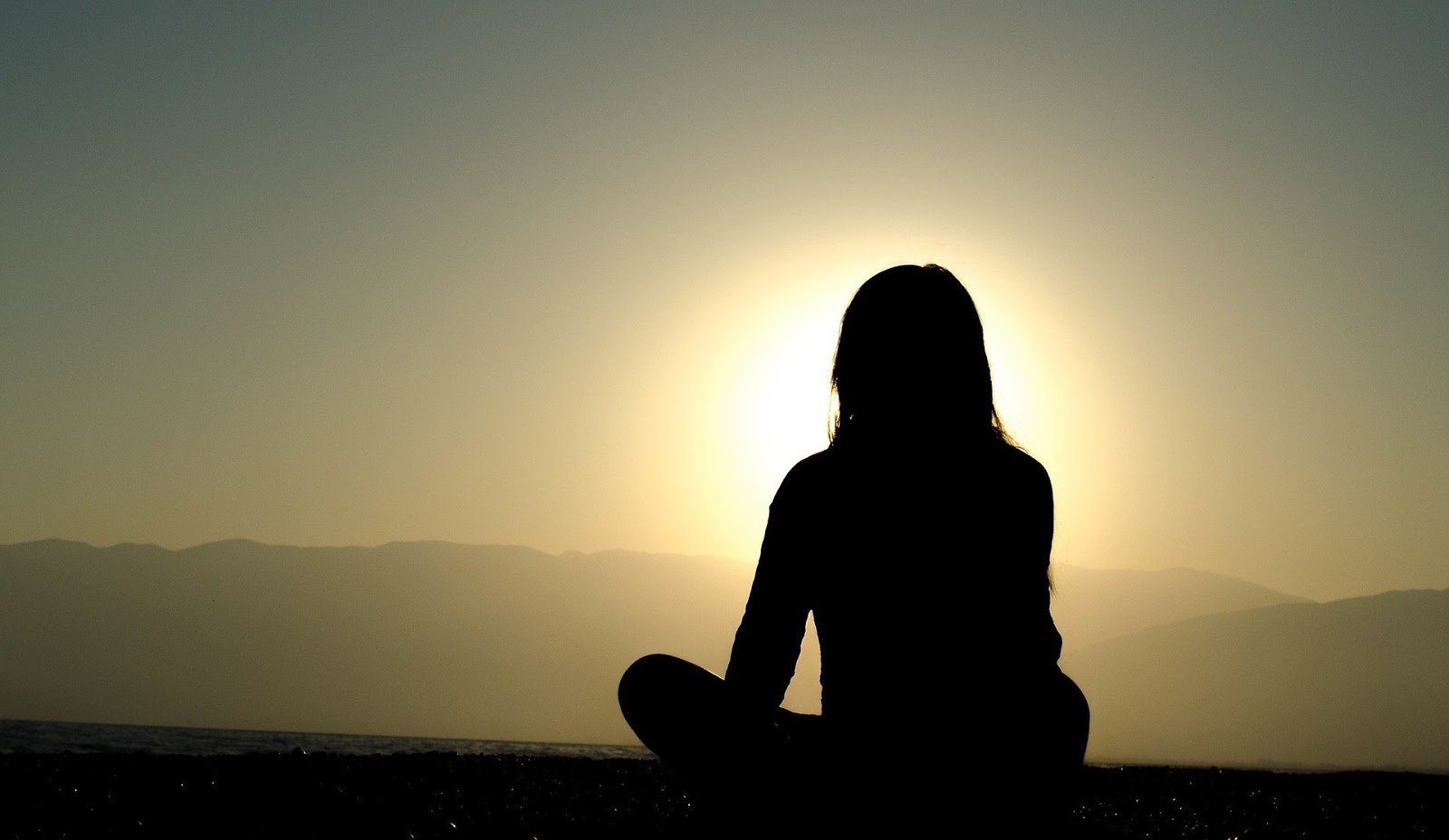
If you've ever wanted to meditate but felt you just couldn't quiet your mind, transcendental meditation may be worth a look. It's one of the simplest forms of meditation to learn, and it asks for about 20 minutes, once or twice a day.
Let’s look at what transcendental meditation is, what people like about it, and how to try a simple version at home.
What Is Transcendental Meditation
Transcendental meditation, often shortened to TM, is a mantra-based meditation technique. It was introduced in the 1950s and became widely known in the 1960s and 70s, helped along by famous fans such as the Beatles. Jerry Seinfeld and Ellen DeGeneres have also talked about practicing it. Today it's taught as a secular technique, and you don't need any particular belief system to do it.
Despite the similar name, TM isn't connected to the nineteenth-century transcendentalist movement of Ralph Waldo Emerson and Henry David Thoreau. Those writers did share a similar idea, though: that time spent looking inward, in quiet and in nature, is worth the effort.
What makes TM different from many other styles is how little it asks of you. Instead of focusing on your breath or trying to clear your mind, you silently repeat a mantra, a short sound with no particular meaning, and let it gently hold your attention. Formal TM is taught by certified teachers, who give each student their own mantra. Many people also practice a simplified version on their own.
Because it doesn't need a special place or a lot of experience, it has become popular in busy workplaces. You can do it at your desk, on a train or in a parked car before you walk into the house.
Benefits Of Transcendental Meditation
Even on days when you don't reach a deep meditative state, TM gives you 20 minutes of unbroken downtime, and most of us could use more of that. Here's what people who practice it regularly tend to say they get from it.
- A fresh perspective: stepping away from your thoughts twice a day makes it easier to see a stressful situation for what it is, especially the things you can't control.
- Fewer knee-jerk reactions: many people find they have a little more space between what happens and how they respond to it.
- More patience: a regular quiet habit can make it easier to stay steady with difficult people and frustrating days.
- A calmer mind: above all, people describe their sessions as restful. It's time when nothing is being asked of you.
- Research into TM is still going on, and results so far are mixed but interesting. We think of it as a daily habit for your peace of mind, not a treatment for anything.
How To Practice Transcendental Meditation
Putting a simple version of transcendental meditation into practice is easy, which is a big part of why it's so popular. Here's how to try it.
- Find a comfortable, quiet place to sit. Sit upright but relaxed, and close your eyes.
- Take about 30 seconds to settle, then begin repeating your mantra silently. If you haven't been given one, choose a short, soft sound with no meaning for you, so your mind has nothing to analyze.
- Repeat the mantra in your head without forcing a rhythm. Let it be as quiet or as faint as it wants to be.
- Don't try to control your breathing. When thoughts come, and they will, let them pass without following them, and gently come back to the mantra.
- You may notice moments of restful alertness, where the mantra fades and you're simply sitting quietly. Some sessions will feel deep and others will feel busy. Both are completely normal.
- Continue for about 20 minutes. Keep a clock where you can glance at it rather than setting a loud alarm.
- When your time is up, stop repeating the mantra and sit quietly for two or three minutes before you open your eyes and get up.
- Try to practice twice a day, once in the morning and once in the late afternoon or early evening. When you're just starting out, it can be hard to stay consistent, so count every day you practice as a win.
Many of our customers like to set up a small meditation corner with a cushion, soft light and a favorite crystal. The Portal to Peace - Amethyst Lamp gives a gentle glow that works well for evening sessions.
Why Transcendental Meditation?
What sets transcendental meditation apart from other forms of meditation? Why might you choose it over something else?
First, it asks for very little effort. There's no special training needed to try it, and you can fit it into the middle of a busy day.
Second, it doesn't ask you to control your thoughts or empty your mind, which is where many beginners get stuck with other styles. You simply return to the mantra, again and again.
Final Thoughts
Transcendental meditation is one of the easiest ways to give yourself a few quiet minutes each day. You don't need to believe anything or change anything about your life to try it.
Like any habit, it tends to feel more natural the longer you keep it up. Give it a fair try, notice how you feel, and keep what works for you.
